
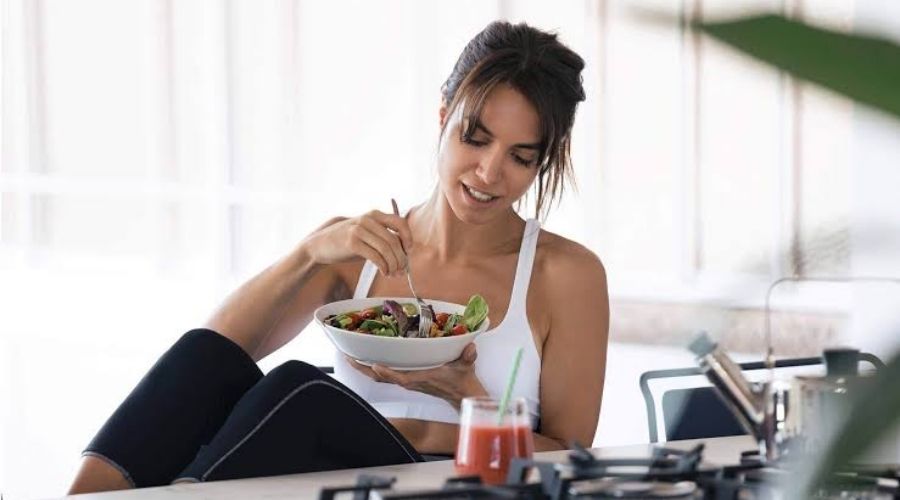
Weight loss doesn’t have to mean spreadsheets, food scales, and constant second-guessing. For many women, the biggest barrier to sticking with a plan isn’t motivation—it’s mental fatigue from tracking every single bite. That’s where ZeroPoint foods come in. These are foods you can enjoy without measuring, weighing, or logging every gram, and they’re one of the most underrated tools for building meals that are both filling and sustainable.
WeightWatchers has built its points-based approach around exactly this idea: some foods support your goals so naturally that they don’t need to be tracked at all. Instead of spending energy monitoring every ingredient, you can focus on building meals around real, satisfying food—and let the system do the rest.
What Are ZeroPoint Foods, Really?
ZeroPoint foods are nutrient-dense, lower-calorie-density foods that tend to be naturally filling. Think lean proteins, most fruits and vegetables, and certain whole grains and legumes. They’re not “free” in the sense that you can eat unlimited amounts without any awareness—but they’re structured in a way that removes the pressure of counting, so you can eat until you’re satisfied without constantly checking a number.
This matters because restriction fatigue is real. When every food requires a calculation, people burn out fast. ZeroPoint foods solve this by giving you a wide, flexible category of go-to options that support weight loss without adding mental load to your day.
Why These Foods Work So Well for Real Meals
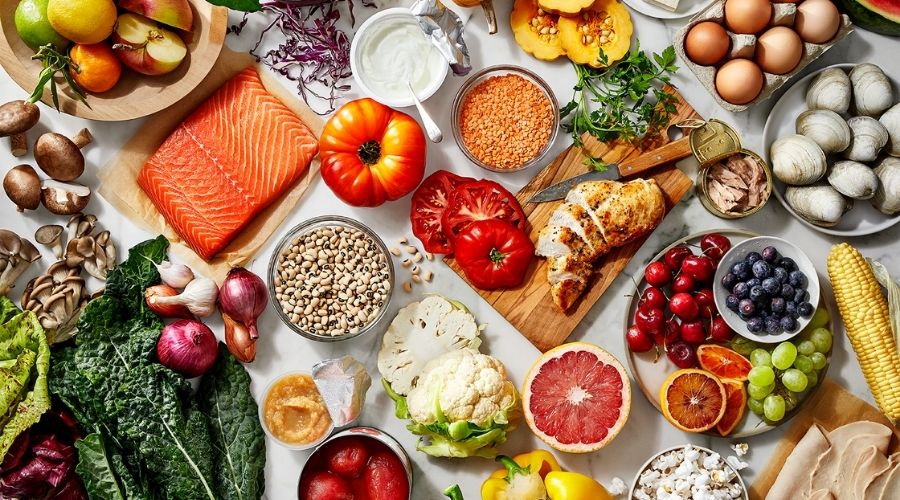
The foods that tend to fall into ZeroPoint categories share a few things in common: they’re high in water content, high in fiber, high in protein, or some combination of the three. That combination is what makes a meal actually filling—not just low in calories, but satisfying enough that you don’t find yourself hunting for a snack an hour later.
This is a much smarter approach than simply cutting portions across the board. A smaller plate of the wrong foods leaves you hungry. A full plate built around the right foods leaves you satisfied. ZeroPoint foods are designed around that second outcome.
Best ZeroPoint Foods for Building Filling Meals
Lean Proteins
Skinless chicken breast, turkey, white fish, shrimp, tofu, and eggs are staples for a reason. Protein takes longer to digest, keeps you full longer, and helps preserve muscle mass during weight loss. A simple grilled chicken breast with vegetables can anchor an entire meal without requiring any calculations.
Non-Starchy Vegetables
Broccoli, spinach, zucchini, peppers, mushrooms, cauliflower, and leafy greens are some of the easiest ingredients to build a meal around. They add volume, fiber, and nutrients while barely adding calories, which means you can genuinely fill your plate without guilt or math.
Most Fresh Fruits
Berries, apples, citrus, melon, and similar fruits offer natural sweetness along with fiber and water content that supports fullness. They’re an easy way to satisfy a craving for something sweet while still supporting your goals.
Legumes and Beans
Lentils, chickpeas, and black beans bring fiber and plant-based protein together, making them ideal for soups, salads, or grain bowls. They’re filling, versatile, and easy to prep in bulk for busy weeks.
Plain Greek Yogurt and Cottage Cheese
Both are high in protein and surprisingly versatile—savory or sweet, breakfast or snack. They add creaminess to meals while helping you stay full between eating windows.
How to Build a Meal Without Overthinking It
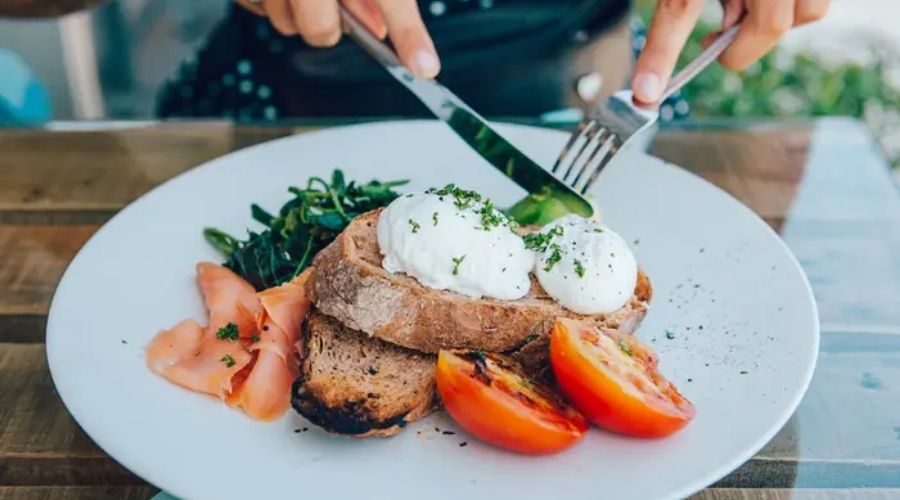
A simple formula works well: pick a protein, pick a vegetable, and add a flavorful sauce or seasoning. That’s it. You don’t need a recipe book or a nutrition degree to eat well. For example:
- Grilled chicken, roasted broccoli, and a squeeze of lemon
- Scrambled eggs with spinach and peppers
- A big salad with chickpeas, cucumber, and grilled shrimp
- Greek yogurt with berries and a drizzle of honey
None of these require weighing ingredients or running numbers before you eat. That’s the entire point of ZeroPoint foods—they remove friction so healthy eating feels doable on your busiest days, not just your most organized ones.
Why This Approach Fits Real Life
Most people don’t fail at weight loss because they lack willpower. They fail because the system they’re using doesn’t fit their actual life. Between work, family, travel, and everything in between, nobody wants to carry a food scale into a restaurant or spend twenty minutes logging a home-cooked dinner.
ZeroPoint foods work because they meet people where they are. You can build meals that feel generous and satisfying, not restrictive, and still stay aligned with your goals. This is exactly the philosophy behind WeightWatchers, and it’s part of why the program has remained relevant for decades while so many rigid diets have come and gone.
Why WeightWatchers Makes This Easier
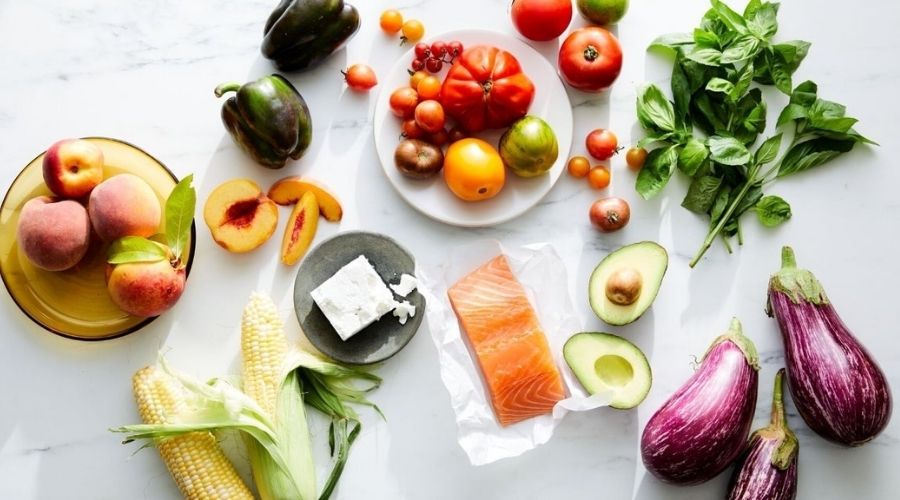
This is where WeightWatchers genuinely stands out. Rather than asking you to memorize nutrition facts or calculate calories by hand, WeightWatchers has already done the thinking for you. Its point system is built specifically to highlight foods—like the ones above—that support fullness and weight loss with minimal tracking effort. Whether you’re using the flexible Core program for everyday simplicity, Core+ for added structure and accountability, or exploring medically supported options like MED+ or GLP-1 Success, ZeroPoint foods remain a foundational piece across the board.
What makes WeightWatchers particularly effective is that it doesn’t ask you to overhaul your entire relationship with food. It simply helps you notice which foods are already working in your favor, and gives you the freedom to build meals around them without stress. That’s a meaningful difference from diets that treat every food choice as a negotiation.
Conclusion
You don’t need to overcomplicate weight loss to see real results. Building meals around ZeroPoint foods gives you a filling, flexible foundation without the mental burden of constant tracking, and WeightWatchers makes this approach easy to follow with structured, flexible programs built for real, sustainable results.
 English
  Deutsch