
There’s a Special Kind of Dread That Comes With “Diet Plan”
It conjures images of bland chicken breast, sad steamed broccoli, and a printed meal chart taped to the fridge like a punishment. No wonder so many people quit before week two. The good news is that losing weight was never supposed to feel like eating cardboard with extra steps.
WeightWatchers has built its entire reputation on proving the opposite is true. You can eat real food—pasta, tacos, even dessert—and still make progress, as long as you’re working with a system that’s flexible enough to bend around your actual life instead of demanding you bend around it.
Why “Restrictive” and “Diet Plan” Don’t Belong Together
Most diets fail for one simple reason: they treat food like the enemy. Cut this, eliminate that, never eat after 7 p.m., say goodbye to carbs forever. These rules might work for about ten days before real life interferes—a birthday party, a stressful week, a Tuesday where cereal for dinner sounds like the only reasonable option.
WeightWatchers takes a different approach entirely. Instead of banning entire food groups, it uses a points system that lets you build meals around what you actually enjoy eating. That single shift—from restriction to flexibility—is why so many people stick with it longer than they’ve stuck with anything else.
The Secret Ingredient Is Actually Just Balance
Every recipe on this list follows the same unofficial rule: protein and fiber do the heavy lifting, flavor does the rest. There’s no need for egg whites only, dressing on the side, or a sad little portion that leaves you hunting through the pantry an hour later. These are meals you’d actually choose to eat, diet or no diet.
Recipes That Don’t Feel Like a Diet
Loaded Turkey Taco Bowls
Swap ground beef for lean ground turkey, season it the way you normally would, and build a bowl with rice, black beans, lettuce, salsa, and a little shredded cheese. It hits every craving a taco night is supposed to hit, minus the guilt spiral that usually follows.
Zucchini Noodle Shrimp Scampi
Garlic, lemon, a splash of white wine or broth, and shrimp tossed with spiralized zucchini instead of pasta. It’s fast, it’s fancy-looking enough to photograph, and it proves “lighter” doesn’t mean “less satisfying.”
Sheet Pan Chicken Fajitas
One pan, minimal cleanup, maximum flavor. Chicken breast, peppers, and onions roasted together with fajita seasoning, then wrapped in a tortilla or served over rice. This is weeknight cooking at its most forgiving.
Greek Yogurt Chicken Salad
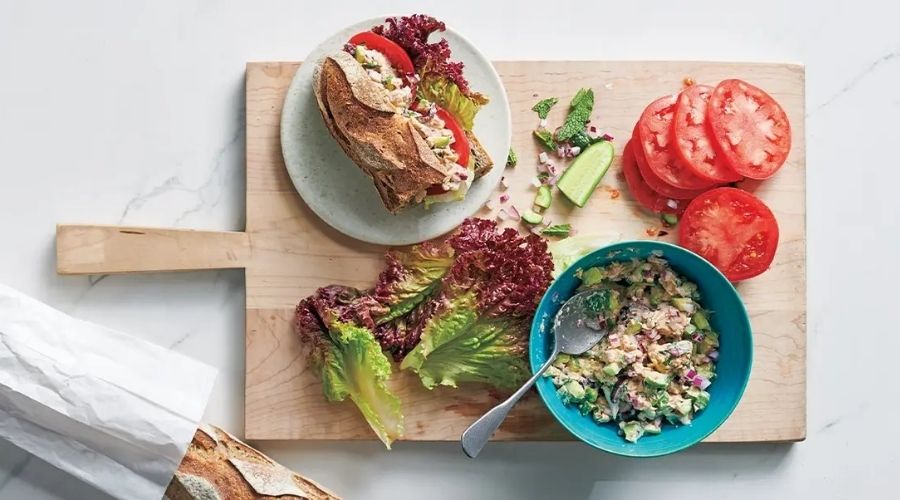
Regular mayo gets swapped for Greek yogurt, which somehow makes the whole thing creamier without tasting like a compromise. Add grapes, celery, and a little dijon mustard for a lunch that doesn’t feel like a sacrifice.
Cauliflower Fried Rice with Egg
Riced cauliflower stands in for regular rice, but the soy sauce, garlic, scrambled egg, and vegetables make sure nothing about this dish feels like it’s missing something.
Baked Salmon with Roasted Vegetables
Sometimes the simplest recipe is the best one. Salmon, a drizzle of olive oil, whatever vegetables are in the fridge, and one sheet pan. Dinner is ready in thirty minutes with almost no effort involved.
Turkey Chili
A big pot of turkey chili loaded with beans, tomatoes, and spices is proof that comfort food and weight loss goals can coexist peacefully. It also reheats beautifully, which means less cooking for the rest of the week.
Why These Recipes Work Within the WeightWatchers System
None of these dishes require obsessive tracking or complicated math to enjoy. That’s the entire point of how WeightWatchers structures its programs. Whether you’re following Core for straightforward, everyday flexibility, Core+ for a bit more accountability and structure, or MED+ and GLP-1 Success for medically supported weight loss, these recipes slide easily into any of them without needing a recalculation every time you sit down to eat.
This is really where WeightWatchers separates itself from typical diet culture. It doesn’t ask you to give up flavor, comfort, or the foods you actually look forward to eating. It asks you to build meals a little smarter—more protein here, a vegetable swap there—so the food you already love keeps working in your favor instead of against it.
Cooking for Real Life, Not for a Meal Plan
One thing worth noting: none of these recipes require a trip to a specialty grocery store or a long list of unfamiliar ingredients. They use foods most people already have on hand or can easily grab during a regular shopping trip. That matters because the recipes people actually stick with are the ones that don’t require extra effort to source.
WeightWatchers recipes tend to lean into this same idea. Rather than reinventing your entire pantry, they encourage smarter versions of meals you probably already cook—swapping an ingredient here, adjusting a portion there, without turning dinner into a research project.
Making These Recipes Part of a Routine, Not a Rule
The recipes above aren’t meant to be followed exactly, down to the last ingredient. They’re meant to be a starting point you can adjust based on what you like, what’s in season, or what’s simply left in the fridge. That flexibility is what keeps a “diet” from ever feeling like one in the first place.
This is ultimately what makes WeightWatchers sustainable where so many rigid plans fail. It’s not about eating perfectly. It’s about eating well, most of the time, with recipes flexible enough to fit real cravings and real schedules.
Conclusion
Good food and weight loss don’t have to be at odds. These recipes prove you can eat meals you genuinely look forward to and still stay on track, especially with a flexible system like WeightWatchers guiding the balance instead of a rigid meal plan calling the shots.
 English
  Deutsch