
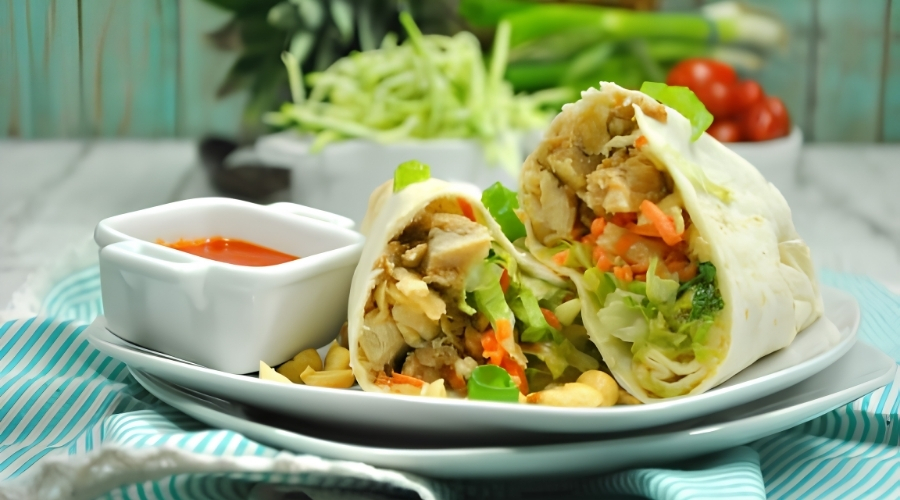
The Real Problem With Eating Out Isn’t the Food
It’s the unknown. You don’t know exactly how much oil went into that stir-fry, how big the “medium” portion actually is, or what’s hiding in the sauce. WeightWatchers solves this less through willpower and more through tools: the app’s restaurant search, barcode-style menu lookups for major chains, and a points system that turns guesswork into a rough but reliable estimate before your food even arrives.
Use the App Before You Order, Not After
One of the most underused features of WeightWatchers is checking a restaurant’s menu inside the app before you sit down. Many major chains already have their full menus loaded with point values attached, which means you can decide what to order on the drive there instead of scrambling once the menu hits the table. This single habit removes most of the stress people associate with eating out.
Fast Food, Broken Down by Chain Type
Burger Chains
Skip the combo meal. A single burger with lettuce, tomato, and mustard instead of mayo or special sauce cuts a meaningful chunk of points without changing the experience much. Grilled chicken sandwichesare usually the better bet when available. If fries feel non-negotiable, splitting a small order instead of getting your own is an easy middle ground that keeps the craving satisfied without the full point hit.
Mexican Fast-Casual
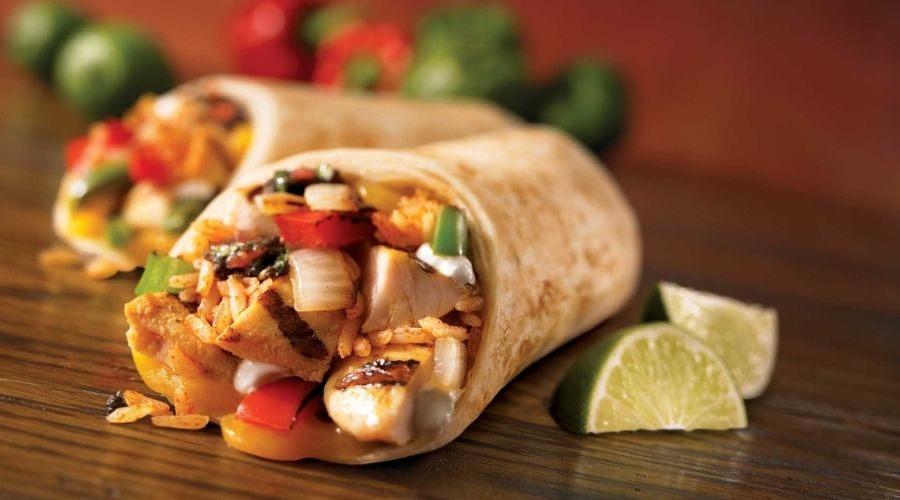
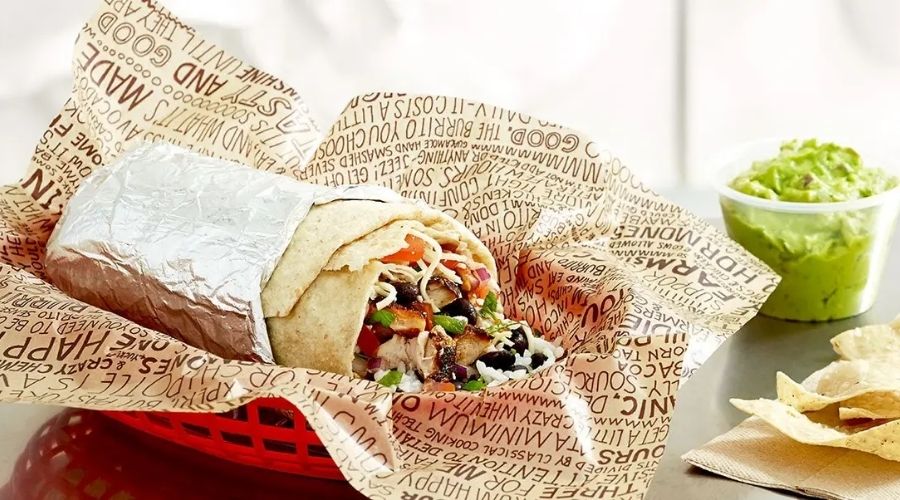
Bowls beat burritos here, mainly because the tortilla is where a big chunk of the points hide. Go bowl, add extra vegetables, go light on cheese and sour cream, and you’ll barely notice what’s missing. Double protein is often a smarter add than double rice, since it keeps you fuller for longer without doubling the point cost the way starches tend to.
Sandwich Shops
Six-inch over footlong, and load up on vegetables since they’re free additions that add volume without adding points. Oil and mayo-based sauces are usually the biggest hidden cost — vinegar-based or mustard options are the smarter swap. Asking for the bread to be lightly toasted rather than loaded with extra oil or butter is a small detail that adds up over a week of lunches.
Chicken Chains
Grilled over fried is the obvious call, but the sides matter just as much as the main. A side salad or fruit cup instead of fries changes the meal significantly with almost no sacrifice in satisfaction. Dipping sauces are worth checking too, since a small cup can carry more points than the entrée itself if it’s a creamy or honey-based option.
Sit-Down Restaurants, Broken Down by Cuisine
Italian
Order any pasta dish “half portion” if the restaurant allows it, or plan to box half before you start eating — restaurant pasta portions are typically two to three servings. Tomato-based sauces track far easier than cream-based ones. A side salad or a cup of minestrone before the meal can also help you feel satisfied with a smaller final portion.
Mexican
Fajitas are the standout choice because you build the plate yourself. Skip the tortillas or take just one, load up on grilled protein and peppers, and use salsa instead of sour cream or queso. Black beans are generally a lighter side than refried beans, and a squeeze of lime does a lot of flavor work without adding anything to track.
Asian
Steamed or stir-fried dishes with sauce on the side let you control the biggest variable in the meal. Rice is easy to portion down without losing the dish’s flavor, and broth-based soups are a smart starter. Dishes described as “crispy” or “battered” are usually the ones to approach carefully, since the coating often adds more points than the protein underneath.
American/Diner
Grilled proteins and a vegetable side are almost always on the menu somewhere, even at diners that specialize in comfort food. Swapping fries for a side salad is a small ask that makes a real difference. Requesting vegetables steamed rather than sautéed in butter is another easy way to keep a classic diner plate on track.
A Few Ordering Habits Worth Building
- Ask for dressing, sauce, or gravy on the side — this alone can cut a meal’s points noticeably.
- Order first at the table so you’re not tempted to copy someone else’s less balanced choice.
- Treat bread baskets and chip bowls as optional, not automatic, especially before a heavier main course.
- Box half your entrée before eating if the portion looks restaurant-sized rather than home-sized.
- Choose water, unsweetened tea, or soda water over sugary drinks, since liquid calories add up fast without adding any fullness in return.
How This Fits Depending on Your Program
Someone on Core has more day-to-day flexibility, so an occasional higher-point meal simply gets absorbed into the week. On Core+, the added structure means it helps to plan the higher-point meal in advance rather than deciding in the moment. For people on MED+ or GLP-1 Success, appetite is often naturally smaller, which actually makes restaurant portions easier to manage — the challenge becomes making sure enough protein gets in, not too much food overall.
Conclusion
Eating out doesn’t have to mean opting out of your progress. With the right ordering habits and a quick look at the WeightWatchers app before you order, restaurants and fast food become just another meal to plan for, not a threat to your week.
 English
  Deutsch