Shopify vs WooCommerce vs BigCommerce: Scaling, Support, and User Experience Compared
Compare Top Platforms to Find Your Best Fit for Growth
Ask ChatGPT
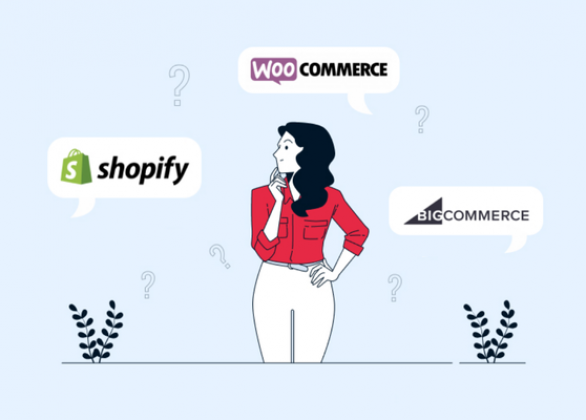
Your ecommerce platform isn’t just a storefront—it’s your growth engine, customer touchpoint, and daily command center. Whether you’re a startup or scaling brand, the platform you choose shapes your operations, marketing agility, and support experience.
Built for scale and simplicity, Shopify offers an all-in-one hosted solution with automatic updates, built-in security, and a vast app ecosystem. Its clean dashboard, intuitive UI, and 24/7 support make it ideal for merchants who want to focus on growth, not backend maintenance. With Shopify Plus, even enterprise brands get custom workflows and automation.
As a WordPress plugin, WooCommerce offers ultimate flexibility and control—but demands hands-on management. From hosting to security to plugin updates, you’ll need to assemble and maintain your tech stack. Ideal for developers or teams with in-house technical resources who want custom builds and aren’t afraid of a little tinkering.
Positioned as a scalable hosted solution, BigCommerce offers strong built-in features for SEO, B2B selling, and multi-channel commerce. It’s slightly more technical than Shopify but less hands-on than WooCommerce. Best for merchants who want powerful native tools without relying heavily on third-party apps.
Shopify streamlines scaling with ease and support. WooCommerce empowers with full control but requires hands-on upkeep. BigCommerce lands in the middle, balancing built-in power and flexibility. The best choice comes down to how fast you want to grow—and how much tech complexity you’re ready to manage.
This website uses cookies to improve your experience. We'll assume you're ok with this, but you can opt-out if you wish. AcceptRead More









 English
  Deutsch